Why do I have the audacity to advice students of all majors to take this class? I have made it, believe me, it's one of the reasons I have enjoyed my degree at Daystar University.
Can anyone imagine that this is an exam? Yeah I thought so, you think I am just bluffing. I am serious, this course has no written exam, just blog posts and you have your grade.
Enough of the trivial matters. Let me explain why I chose this course. I added this course as a filler to complete my hours. I needed to graduate and I had free electives hours to cover. My late addition not withstanding, thanks to Dr. Wandia, the HOD of Languages and Performing Arts at Daystar University. I didn't know of the fun that was in store for me through the semester.
All foodies in the house, can I hear an an amen. This is the course for you. We cooked and sampled cuisine from different Francophone countries. This course even made some of us better cooks. You can just peruse the different articles on this blog written under cuisine, to get a feel of what I am saying.
This is one of the coolest class you will ever find. Can anyone tell me, when was the last time you took a selfie with your lecturer? At FRE 124, we were so free with our lecturer. Dr. Wandia Njoya took the four of us through the course just the same way she would handle a full class.
Yes that was the whole class. Where are the students to take this class? You do not know what you are missing out on.
Any student claiming to have passed through an African University should have some knowledge of African history. This class gave a wealth of knowledge on Negritude, the colonization of francophone Africa and of course Haiti. After every class, I had the desire to read more African history.
https://books.google.co.ke/books/about/The_Wretched_of_the_Earth.html?id=-XGKFJq4eccC&hl=en
Patrice Lumumba and
Léopold Senghor are part of the interesting topics of discussion.
We were even nominated for the blog awards by BAKE. This time we did not clinch the title but who knows, maybe if you join this blog might be the next best education blog.
Finally, I am not a linguistic major. My major is Public Relations, which is why I haven't mastered my French. This course is taught in English one gets to learn french on the way as you interact with French terms. Actually regardless of your major, you need some cultural classes because the world is shrinking into a village.
All the best as you make your choice for the coming semesters. Look out for FRE 124. Remember that no pre-requisites are needed to register.
Showing posts with label Africa. Show all posts
Monday, May 25, 2015
Monday, May 18, 2015
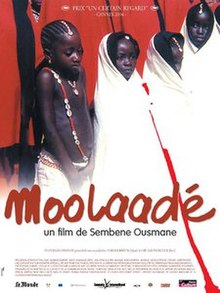
Ousmane Sembène- Moolaadé
Watching this feature film left me with several questions and lessons.
The film was released in 2004, and was the last film directed by Senegalese, Ousmane Sembène before his death in 2007. Sembène is noted as the first African film director to achieve international recognition.
The film is about Female Genital Mutilation- a fictional story that looks so real. I asked whether it was based on a true story, surprisingly, it was fictional. Sembène is a good story teller who brought the ills of FGM without preaching.
Highlights of the film are:
The film was released in 2004, and was the last film directed by Senegalese, Ousmane Sembène before his death in 2007. Sembène is noted as the first African film director to achieve international recognition.
The film is about Female Genital Mutilation- a fictional story that looks so real. I asked whether it was based on a true story, surprisingly, it was fictional. Sembène is a good story teller who brought the ills of FGM without preaching.
Highlights of the film are:
- Women being kept from listening to radio, because they were being taught Western values.
- Colle defying her husband's orders to revoke the Moolaadé-spell that protected the girls who ran to her for protection. She endured the lashes from her husband just to save the girls.
- The way being a Bilakoro- Uncircumcised girl was considered unclean.
- The coexistence of multiple wives in a polygamous marriage, and the respect they have for each other.
- FGM makes a woman's life miserable not only in childbirth but also during sex with her husband. (Colle cuts her finger to camouflage the bleeding after a night with her husband)
- It is not so much about the cultural practices. Oppressive cultural practices are about power.
After the film, I did not talk much. I was however thinking of the Maasai of Kenya. Some of them still practice FGM, together with other communities. The reason my thoughts went to the Maa community was because I recently met a son of Maasai, with whom we were considering a relationship.
In a bid to be sure, I asked him whether his community practiced FGM. His answer was affirmative and he was looking for a partner who could easily adapt to cultural practices. The rest is history, we were like water and oil which could not mix.
La Sauce de Gombo- Cote D'ivore
This class made me try out things that qualify me to take part in West African conversations. Cote D'ivoire was once just a small country in between Liberia and Ghana, in the African maps that we used to cram for our history exams.
This time, we were cooking Francophone African cuisine, so I had to cook something from this country. The challenge was that nearly all the recipes on youtube were in French. I followed the steps to different recipes and settled on okra soup- sauce de gombo.
My choice of Okra was based on the fact that in my community and the Western Kenya communities, Okra is used as a vegetable substitute for Apoth- a slimy vegetable that accompanies several other greens such as cow peas leaves. Enough of the Luo cuisine, let's not digress from the main reason of this post- francophone cuisine.
Okra soup is common in most West African countries. During my research, I found out that it is a delicacy in Nigeria, Togo, Senegal and Cameroon. I almost gave up on the meal because it was not an exclusively Ivorian dish. I later settled on it because of the familiarity with Gombo- Okra.
Looking for okra was not a problem, I went to Wakulima market at the entrance of Nairobi's CBD. You can never miss rare vegetables here because it serves as a wholesale area for most of the vegetable vendors in Nairobi. I bought Okra, Coconut, tomatoes and other groceries. It was while at the market that I learnt of where to get plantains- the retail market.
My decision was edited because I did not want to use chicken, dried fish and meat together. I instead settled on beef only. Friday morning I woke up to cooking. I made my rendition of okra soup in coconut milk. Though it looked slimy, the aroma and taste were awesome. Walking to the gate having packed the meal, I could still smell the contents of my package. It resembled our neighbors' cooking. There are two brothers who live downstairs (I recently learnt they were from Cameroon). Those brothers can cook, so such aromas are a common thing with their kitchen window.
http://www.traditional-foods.com/recipes/african-okra-soup/
Serving the soup in class was another funny ordeal. Some ate it while others looked at it and chose to pass because of the slimy presentation. I had to carry the remainder back home. I did not mind carrying it back because Judy, my friend wouldn't mind tasting it. She had a lot of questions concerning the amount of okra that I was intending to use on beef stew. Well, I was wrong, she could not even taste it due to the slime.
I later learnt that to reduce the slime, one should wash the okra and let them dry before chopping.
Two weeks later, our neighbor was cooking meat with okra. It reminded me that one man's meat is another man's poison. That was a good platform to start a conversation, we had something in common-we both loved Gombo. Me: So where do you buy palm oil? Neighbor: Just here in Buruburu, next to Safaricom...
This time, we were cooking Francophone African cuisine, so I had to cook something from this country. The challenge was that nearly all the recipes on youtube were in French. I followed the steps to different recipes and settled on okra soup- sauce de gombo.
![]() |
| Image courtesy of http://wecangrowit.org/ |
My choice of Okra was based on the fact that in my community and the Western Kenya communities, Okra is used as a vegetable substitute for Apoth- a slimy vegetable that accompanies several other greens such as cow peas leaves. Enough of the Luo cuisine, let's not digress from the main reason of this post- francophone cuisine.
Okra soup is common in most West African countries. During my research, I found out that it is a delicacy in Nigeria, Togo, Senegal and Cameroon. I almost gave up on the meal because it was not an exclusively Ivorian dish. I later settled on it because of the familiarity with Gombo- Okra.
Looking for okra was not a problem, I went to Wakulima market at the entrance of Nairobi's CBD. You can never miss rare vegetables here because it serves as a wholesale area for most of the vegetable vendors in Nairobi. I bought Okra, Coconut, tomatoes and other groceries. It was while at the market that I learnt of where to get plantains- the retail market.
My decision was edited because I did not want to use chicken, dried fish and meat together. I instead settled on beef only. Friday morning I woke up to cooking. I made my rendition of okra soup in coconut milk. Though it looked slimy, the aroma and taste were awesome. Walking to the gate having packed the meal, I could still smell the contents of my package. It resembled our neighbors' cooking. There are two brothers who live downstairs (I recently learnt they were from Cameroon). Those brothers can cook, so such aromas are a common thing with their kitchen window.
http://www.traditional-foods.com/recipes/african-okra-soup/
Serving the soup in class was another funny ordeal. Some ate it while others looked at it and chose to pass because of the slimy presentation. I had to carry the remainder back home. I did not mind carrying it back because Judy, my friend wouldn't mind tasting it. She had a lot of questions concerning the amount of okra that I was intending to use on beef stew. Well, I was wrong, she could not even taste it due to the slime.
I later learnt that to reduce the slime, one should wash the okra and let them dry before chopping.
Two weeks later, our neighbor was cooking meat with okra. It reminded me that one man's meat is another man's poison. That was a good platform to start a conversation, we had something in common-we both loved Gombo. Me: So where do you buy palm oil? Neighbor: Just here in Buruburu, next to Safaricom...
Thursday, May 14, 2015
My wake up call to appreciate African films
Kenya has in the recent times witnessed the entry of Nigerian and Ghanaian films in the
entertainment industry. These films have overtaken the popularity of most local productions and have earned massive airplay in most television stations. Luckily, it is up to you to make the choice on whether you want to watch them or not and most of the times...I tend to sail in the 'not' boat. This however changed in an instance in my French class when I watched an acclaimed award-winning film by a renowned African writer, Ousmane Sembene.
At first, I felt skeptical about watching the film from the fact that the lecturer had previously explained that the film was based on Female Genital Mutilation...A subject I have grown to dread talking about let alone watching a film about it, and it's not just a regular film...an African film.
The movie started off with a series of events showcasing the cultural setting of the people in the movie. Everything seemed unique from the architecture, dressing to the language they spoke. What was striking for me in this film was that it was relevant to the lives of African women. It depicted the similarity in roles that are entrusted to African women which include cooking, cleaning, nursing children and the general maintenance of the household. Being set up in traditional African setting, the men were obviously superior to the women and hence they only took up administrative duties.
Moolade, the name given as the title of the movie refers to a season where young girls were circumcised as a form of purification. Just like in the Kenyan communities that practice Female Genital Mutilation believe that a girl of child-bearing age can not get married if she has not been circumcised.
Despite the fact that the practice led to loss of lives through excessive bleeding, this community still goes on with it ignoring the impeding dangers to the society. It however takes the efforts of one woman who was able to stand firm and safeguard her daughter as well as other young girls who sought sanctuary in her care, to fight the menace to the core and stop it forthwith.
Despite opposition, Colle Ado (pictured) was able to beat all the odds and bring an end to Female Genital Mutilation in her community. Public flogging and ridicule were just few of the challenges that Colle had to endure so that she could protect the lives of the girls who depended on her. Despite the fact that her daughter was to be married off to the Prince only if she was circumcised, Colle was relentless in what she believed and she was ready to give up all forms of pleasure, riches and luxury that come with her daughter getting married into the royal family.
The entire film is a classic example of how women are their own enemies judging by the fact that Colle received opposition and threats mostly from fellow women who chose to follow tradition rather that face facts concerning the dangers of Female Genital Mutilation. Despite that, the film also brings out the authoritative nature of women to make decisions and stand firm in what they believe is right no matter what the consequences are. It is also at this time that women redeemed themselves from being subordinate to their husbands and also taking part in leadership as well as decision-making.
To me, the movie was an eye-opener that not all African content is meaningless and too mainstream. There are a lot of new discoveries one can make from watching indigenous movies like Moolade which go back in time to narrate a story in full account. It was also impressive to see a male-inspired creation depicting women with so much power in African communities that seem to have embraced the fact that men are superior to women.
entertainment industry. These films have overtaken the popularity of most local productions and have earned massive airplay in most television stations. Luckily, it is up to you to make the choice on whether you want to watch them or not and most of the times...I tend to sail in the 'not' boat. This however changed in an instance in my French class when I watched an acclaimed award-winning film by a renowned African writer, Ousmane Sembene.
At first, I felt skeptical about watching the film from the fact that the lecturer had previously explained that the film was based on Female Genital Mutilation...A subject I have grown to dread talking about let alone watching a film about it, and it's not just a regular film...an African film.
The movie started off with a series of events showcasing the cultural setting of the people in the movie. Everything seemed unique from the architecture, dressing to the language they spoke. What was striking for me in this film was that it was relevant to the lives of African women. It depicted the similarity in roles that are entrusted to African women which include cooking, cleaning, nursing children and the general maintenance of the household. Being set up in traditional African setting, the men were obviously superior to the women and hence they only took up administrative duties.
Moolade, the name given as the title of the movie refers to a season where young girls were circumcised as a form of purification. Just like in the Kenyan communities that practice Female Genital Mutilation believe that a girl of child-bearing age can not get married if she has not been circumcised.
Despite the fact that the practice led to loss of lives through excessive bleeding, this community still goes on with it ignoring the impeding dangers to the society. It however takes the efforts of one woman who was able to stand firm and safeguard her daughter as well as other young girls who sought sanctuary in her care, to fight the menace to the core and stop it forthwith.
Despite opposition, Colle Ado (pictured) was able to beat all the odds and bring an end to Female Genital Mutilation in her community. Public flogging and ridicule were just few of the challenges that Colle had to endure so that she could protect the lives of the girls who depended on her. Despite the fact that her daughter was to be married off to the Prince only if she was circumcised, Colle was relentless in what she believed and she was ready to give up all forms of pleasure, riches and luxury that come with her daughter getting married into the royal family.
The entire film is a classic example of how women are their own enemies judging by the fact that Colle received opposition and threats mostly from fellow women who chose to follow tradition rather that face facts concerning the dangers of Female Genital Mutilation. Despite that, the film also brings out the authoritative nature of women to make decisions and stand firm in what they believe is right no matter what the consequences are. It is also at this time that women redeemed themselves from being subordinate to their husbands and also taking part in leadership as well as decision-making.
To me, the movie was an eye-opener that not all African content is meaningless and too mainstream. There are a lot of new discoveries one can make from watching indigenous movies like Moolade which go back in time to narrate a story in full account. It was also impressive to see a male-inspired creation depicting women with so much power in African communities that seem to have embraced the fact that men are superior to women.
Labels:
Africa,
Culture,
Festivals,
Film,
Ousmane Sembene
Monday, March 9, 2015
Diri ak Pwa & Sos Pwa with coconut milk
A class that Cooks? Sounds interesting.... These were my sentiments last semester when I visited this class. I had no idea if I would be interested in going through it. This semester though, it was a different story. I actually pleaded with Dr. Wandia to add me to the class two weeks after registration.
The first assignment was to sample Haitian culture, including the cuisine. Everyone was to pick a meal they would make and come with to class on the material day.
I would pick the simplest, pocket friendly recipe. I went online in search of my cheap yet interesting pick. What do I see? Rice "Madondo", that is very simple, that even in Kenyan Kiosks it is a common delicacy. That is the folly of being too familiar with something.
Apparently, rice and beans are a staple in the carribean. A meal is not a meal unless there is a side of rice and beans. Haitian rice and beans can be made with a variety of beans, but the most pouplar are Pinto, red kidney beans, and black beans.
After settling on the recipe, I went on an ingredient search. First stop was at Nakumatt Moi Avenue with my print out to act as a checklist and indicate the prices against ingredients. The exercise was an eye opener since I had no idea what spices like thyme and scotch bonnet pepper were. I even thought that scotch bonnet was the normal capsicums "pilipili hoho".
To be safe, I decided not to use it altogether, because I realized that it was hot.
Next step after window shopping was the actual shopping. I found a wholesale Indian shop along Biashara street that sold spices. I have to confess that I took a shortcut on the olive oil. I used normal cooking oil.
One mistake I made was buying canned coconut milk, only to go to the supermarket and find whole coconuts at 45 shillings each. Anyway, enough of the cheap talk. I don't want you to lose your appetite thinking that I made a cheap meal. (Not the case)
I went for a sleepover at my friend Judy's house, armed with all my ingredients. Whisper (I didn't have a blender, so I needed to use Judy's blender). It was also a good time to bond with my friend over cooking. We realized that the process for making Diri ak Pwa was similar to kenyan pilau. The only difference was that it was bean pilau.
We decided to make the Sos Pwa as an experiment. We discovered a new way of making beans, and could never have enough of it. You should try it and add coconut milk.
The first assignment was to sample Haitian culture, including the cuisine. Everyone was to pick a meal they would make and come with to class on the material day.
I would pick the simplest, pocket friendly recipe. I went online in search of my cheap yet interesting pick. What do I see? Rice "Madondo", that is very simple, that even in Kenyan Kiosks it is a common delicacy. That is the folly of being too familiar with something.
Apparently, rice and beans are a staple in the carribean. A meal is not a meal unless there is a side of rice and beans. Haitian rice and beans can be made with a variety of beans, but the most pouplar are Pinto, red kidney beans, and black beans.
After settling on the recipe, I went on an ingredient search. First stop was at Nakumatt Moi Avenue with my print out to act as a checklist and indicate the prices against ingredients. The exercise was an eye opener since I had no idea what spices like thyme and scotch bonnet pepper were. I even thought that scotch bonnet was the normal capsicums "pilipili hoho".
To be safe, I decided not to use it altogether, because I realized that it was hot.
Next step after window shopping was the actual shopping. I found a wholesale Indian shop along Biashara street that sold spices. I have to confess that I took a shortcut on the olive oil. I used normal cooking oil.
One mistake I made was buying canned coconut milk, only to go to the supermarket and find whole coconuts at 45 shillings each. Anyway, enough of the cheap talk. I don't want you to lose your appetite thinking that I made a cheap meal. (Not the case)
I went for a sleepover at my friend Judy's house, armed with all my ingredients. Whisper (I didn't have a blender, so I needed to use Judy's blender). It was also a good time to bond with my friend over cooking. We realized that the process for making Diri ak Pwa was similar to kenyan pilau. The only difference was that it was bean pilau.
We decided to make the Sos Pwa as an experiment. We discovered a new way of making beans, and could never have enough of it. You should try it and add coconut milk.
Saturday, December 6, 2014
Tigadeguena
"Tigadeguena" is a popular dish in Mali which is chicken in peanut sauce. It was definitely my first pick when I was searching for a dish to make for class the next week. My undying love for chicken was also a great motivator to creating this dish and so I immediately set out to find the ingredients in good time.
![]() |
| Chicken in peanut sauce |
I discovered other great dishes from Mali worth trying out:
Maasa- these are sweet millet fritters served as a snack or as an accompaniment to soup.
Akara- this is a dish of fried bean balls.
Couscous de Timbuktu- these are granules of wheat cooked by steaming.
Meni-Meniyong- this is a sesame honey sweet.
Kulikuli- these are deep fried peanut biscuits
Djablani- it is a popular West African beverage made of hibiscus juice and ginger. Perfect for quenching one's thirst under the scorching Sahara sun!
![]() |
| From Left: Maasa, Akara, Couscous de Timbuktu, Meni Meniyong, Kulikuli and Djablani |
Wednesday, December 3, 2014
Republique du Mali
"One people, one goal, one faith." This is the national motto of the Republic of Mali, a land-locked country in West Africa. When I was informed that I will be presenting on Mali during one of our classes I was very excited. When I think of Mali ancient towns rich in history and desert tribes with an enduring culture comes into mind. Being the self-proclaimed "culturalist" (if such a word ever exists) that I am, I set to researching as soon as possible.
Mali was once part of three West African empires that controlled the Trans-Saharan trade. In the Mali empire, the ancient cities of Djenne and Timbuktu were centers of trade and Islamic learning. Disciplines like Mathematics, Astronomy, Literature and Art were taught.
In 1960, Mali achieved independence from the French and established itself as a democratic and multi-party state in 1991. The country has a majority of Muslims with 55% of the population practicing Islam. Malians speak Bambara as their national language and the state's capital city is located in Bamako.
![]() |
| Ancient Sankore University in Timbuktu |
People of Mali
Mali has a wide variety of ethnic groups. The major ethnic group is the Mande which is made up of the Bambara, Maninke and Soninke sub-groups. The Mande people make up 50% of the population. The other half of the population is made up of Fula, Gur-speakers, Songhai people, Tuaregs and Moors and lastly Europeans.I found the Tuareg ethnic group most interesting as they dwell in the remote regions of the Sahara desert. They have an Afro-Arabic ancestry and live a nomadic lifestyle by traversing the desert on camel back. The Tuareg men traditionally wear a Tagelmust which is a cloth that serves as both a turban and a veil. The cloth is practical for the desert as it provides protection from the harsh desert conditions. It is usually dyed using indigo and this is known to stain the skin of the Tagelmust wearer permanently. As such the Tuareg are often reffered to as the "Blue men of the desert."
![]() |
| From left: Fulani man, Tuareg man and Maninke woman |
"Dama Dance" of the Dogon people
In the south of Mali is the Dogon Village of Songha. The Dogon people practice a traditional religion that involves the beliefs of spirits. The people hold a traditional dance known as the "Dama Dance" every sixty years! The dance is carried out to create a bridge to the supernatural world.![]() |
| Dama Dance |
The Dogon community is popular among stargazers due to their advanced astronomical knowledge. French anthropologist, Marcel Griaule, studied and interacted with the Dogon people. Marcel reported that the Dogon people have knowledge about Sirius, the brightest star in the sky. I found it amazing how the Dogon people possess such information yet they do not have access to star-gazing instruments. This shows the great power of oral tradition as this information is believed to have been passed down from generation to generation over the years. You can read more on the Dogon people here.
Griots
A griot or jeli is a West African story teller, historian, praise singer, poet or musician. The griot uses oral tradition to pass down information to his tribes people and he passes this down to his descendants to continue passing on the community's history to other generations. They tell tales of the community's past, sing songs of praise about certain individuals while playing a xhalam and even make political commentaries. Griots are celebrated in Mali and thus the Association of Bamako Griots was established in Mali.I think this is such a beautiful way of preserving culture and a community's history for years to come.
![]() |
| A griot holding a xhalam |
Fashion in Mali
Malian fashion is strongly influenced by traditional fashion and style. Traditional textiles include:Bogolan
This means "made from mud" in Bambara. It is a West African textile that is dyed red or yellow. Mud from the River Niger is applied on the fabric and a rich black color is produced once the fabric is dry and washed off.![]() |
| Bogolan textile |
Indigo Clothing
This is a fabric that is dyed using the indigo-dyeing method which involves obtaining dye from local plant sources e.g. dried balls of crushed leaves of indigo bearing plants, and dipping the cloth in fermented dye, drying the fabric and then beating it to impart a shiny glaze.![]() |
| Indigo cloths |
During my research on major players in the Mali fashion industry, I came across Aboubakar Fofana, a famous Malian designer well known for his expertise in indigo-dyeing. He resides in both Paris and Bamako, with his workshop based in Bamako. Aboubakar uses an environmentally-friendly process of producing organically dyed indigo cloths. More information about Aboubakar's unique fashion technique can be found here.
![]() |
| Aboubakar Fofana |
Hawa Diawara, is the other personality that I came across in my research of Malian fashion. At the age of 17 she started modeling and she is now a popular fashion model in the United States.
![]() |
| Hawa Diawara |
Malian Music
Malian music is ethnically diverse with the Mandinka community having the greatest influence over the country's music.The music's diversity depends on which ethnic group it hails from. Mande music, Tuareg music, Fula Music and Songhay music make up Malian music.
Popular Malian Musicians
Salif Keita
He is an afro-pop singer and song-writer from Mali. He descends from Sundiata Keita, the founder of the Mali empire. His music combines traditional West African styles with influences from both Europe and America. Salif suffers from albinism and one of his albums, "La Difference" is dedicated to the struggle of the world's albino community.![]() |
| Salif Keita |
Habib Koite
He is a solo singer, songwriter and guitarist based in Mali. Habib's vocal style is intimate and relaxed, emphasizing calm, moody singing. His first album, "Muso Ko" rose to number 3 on the European World Music charts.![]() |
| Habib Koite |
Tinariwen
This Malian band has got to be my greatest new obsession in the African music scene. Tinariwen, meaning deserts in Tamasheq (Tuareg language) is a group of musicians from the Sahara desert. The band members are all of Tuareg descent and the band has received world wide acknowledgement for their unique rhythm influenced by Rai music. The band currently has nine active members with their lead singer being Ibrahim Ag Alhabib. In 2012, the band won the Grammy Award for Best World Music album for their album Tassili.![]() |
| Tinariwen's album cover for Tassili |
I gained so much knowledge as I learnt more and more about Mali's culture. Every day my eyes are opened and made more aware on how rich Africa's culture is and how we should take necessary measures to preserve it. In my opinion, establishing a griot school in Kenya would be a great start:)
Friday, November 21, 2014
A Salad Adventure
by Chris Lyimo
I was invited to attend a class on Francophone World at Daystar and if I chose to, I could come along with a salad from one of the French speaking countries.
Putting together this salad was an unanticipated adventure. I figured that the ingredients were simple and easily available in my Ongata Rongai neighbourhood market and that there was nothing particularly Senegalese about them.
With that I left it to the morning of the class to look for the ingredients. There was enough time to put together the salad given that I was not doing any cooking. Oversight no. 1
You know what they say when you ass-u-me. That was me at the market on the day. And I should have taken a photograph of the salad with me. Oversight No. 2
First stop was Tuskys Supermarket to look for the non-perishable ingredients. I had never heard of either peanut oil or canola oil, and though I often pride myself regarding my culinary skills and love for cooking, on this day, that pride was severely tested. It turned out that several of the supermarket staff had also not heard of the same oils. I walked down the food aisle looking for peanut and/or canola oil. I gave up and settled for regular salad oil. Cholesterol free as an added bonus. I was also going to use regular salt because I didn’t know what kosher salt was either. With the shredded coconut in the cart, I was good to go.
To the market
Though I recalled what, say, jalapeño looked like in the photo I was sent with the brief, I neither knew how to describe what jalapeño looked like or its correct pronunciation. And what was/is a navel orange anyway? I quickly consoled myself that this wasn’t an exam. The sigh of relief was deeper when I conveniently remembered I wasn’t even a student of the class or even Daystar. This was a fun thing to do. I could even chalk it up in my Do a New Thing Every Month activity for September.
I’ve always thought parsley and dhania was the same thing. I couldn’t believe I was now making calls to consult of these ingredients like my life depended on it (perhaps it did in one dimension but that’s a story for another day)
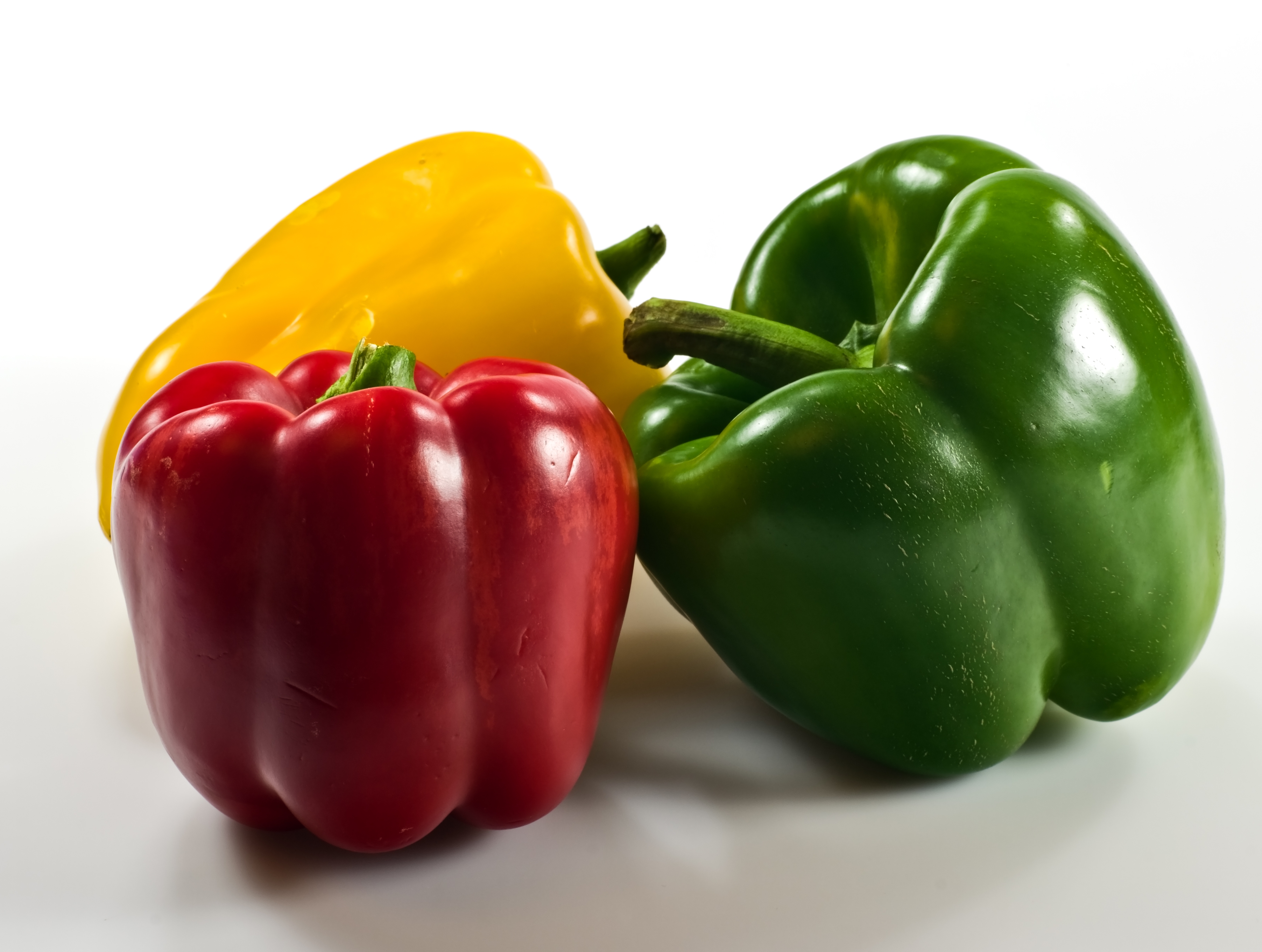
Nobody knew what jalapeno was but when I described it and what I intended to do to the grocer, she suggested I go with a yellow sweet pepper. The regular green peppers are good for a vegetable salad and not a fruit salad. I know lime juice, in a bottle. This adventure was bringing new surprises at every turn because I’m embarrassed to admit that this was the first time I saw what limes actually looked like. I got the oranges, and I dared not embarrass myself further by asking for navel ones. Avocados were in plenty but the mangoes, being out of season, were the most expensive I have ever bought.
I was now getting worried about the serve chilled part. I was quickly running out of time to prepare the salad and effectively chill it.
Preparation
I followed the instructions pretty much as prescribed. I diced the avocadoes in ¼” chunks rather than the 1” as suggested. I should have stuck to this suggested to avoid them getting soggy. I had over an hour to chill the salad so I put it in the freezer rather than in the lower refrigerator. I need to leave in order to get to class in good time.
Travel
In spite of the Friday afternoon traffic, I was confident that I would arrive on time. I was doing quite well up to two or so kilometres from Daystar when the matatu made an about turn due to the heavy Friday afternoon traffic. The main snag was then the conductor sat at the front with the driver and there was no way i could get access to him and they were now heading to town via Industrial Area.
A huge inconvenience to my well laid plans. I alighted and tried to figure out the most efficient route I could use. I got a boda boda motorcycle taxi and got there feeling sweaty, hungry. Fortunately the class time had been pushed forward a few minutes and I was on time. Sweaty, frazzled but on time.
Sharing the Meal
It was nice to hear the various descriptions of how the others prepared the recipes assigned to them. One student shared that he didn’t get the couscous but the adventure of looking for it in several stores and supermarkets counted for something in the adventure .
The sampling of the various foods presented made for the best the class experience I have ever had.
It was good to know that francophone Africa has such a rich food heritage aside from the reputation of their football teams always beating our national football team, Harambee Stars.
![]() |
| Saladu Awooka àk Mango (Avocado–Mango Salad) |
Putting together this salad was an unanticipated adventure. I figured that the ingredients were simple and easily available in my Ongata Rongai neighbourhood market and that there was nothing particularly Senegalese about them.
With that I left it to the morning of the class to look for the ingredients. There was enough time to put together the salad given that I was not doing any cooking. Oversight no. 1
You know what they say when you ass-u-me. That was me at the market on the day. And I should have taken a photograph of the salad with me. Oversight No. 2
First stop was Tuskys Supermarket to look for the non-perishable ingredients. I had never heard of either peanut oil or canola oil, and though I often pride myself regarding my culinary skills and love for cooking, on this day, that pride was severely tested. It turned out that several of the supermarket staff had also not heard of the same oils. I walked down the food aisle looking for peanut and/or canola oil. I gave up and settled for regular salad oil. Cholesterol free as an added bonus. I was also going to use regular salt because I didn’t know what kosher salt was either. With the shredded coconut in the cart, I was good to go.
To the market
Though I recalled what, say, jalapeño looked like in the photo I was sent with the brief, I neither knew how to describe what jalapeño looked like or its correct pronunciation. And what was/is a navel orange anyway? I quickly consoled myself that this wasn’t an exam. The sigh of relief was deeper when I conveniently remembered I wasn’t even a student of the class or even Daystar. This was a fun thing to do. I could even chalk it up in my Do a New Thing Every Month activity for September.
I’ve always thought parsley and dhania was the same thing. I couldn’t believe I was now making calls to consult of these ingredients like my life depended on it (perhaps it did in one dimension but that’s a story for another day)
Nobody knew what jalapeno was but when I described it and what I intended to do to the grocer, she suggested I go with a yellow sweet pepper. The regular green peppers are good for a vegetable salad and not a fruit salad. I know lime juice, in a bottle. This adventure was bringing new surprises at every turn because I’m embarrassed to admit that this was the first time I saw what limes actually looked like. I got the oranges, and I dared not embarrass myself further by asking for navel ones. Avocados were in plenty but the mangoes, being out of season, were the most expensive I have ever bought.
I was now getting worried about the serve chilled part. I was quickly running out of time to prepare the salad and effectively chill it.
Preparation
I followed the instructions pretty much as prescribed. I diced the avocadoes in ¼” chunks rather than the 1” as suggested. I should have stuck to this suggested to avoid them getting soggy. I had over an hour to chill the salad so I put it in the freezer rather than in the lower refrigerator. I need to leave in order to get to class in good time.
Travel
In spite of the Friday afternoon traffic, I was confident that I would arrive on time. I was doing quite well up to two or so kilometres from Daystar when the matatu made an about turn due to the heavy Friday afternoon traffic. The main snag was then the conductor sat at the front with the driver and there was no way i could get access to him and they were now heading to town via Industrial Area.
A huge inconvenience to my well laid plans. I alighted and tried to figure out the most efficient route I could use. I got a boda boda motorcycle taxi and got there feeling sweaty, hungry. Fortunately the class time had been pushed forward a few minutes and I was on time. Sweaty, frazzled but on time.
Sharing the Meal
![]() |
| Serving the meal |
It was nice to hear the various descriptions of how the others prepared the recipes assigned to them. One student shared that he didn’t get the couscous but the adventure of looking for it in several stores and supermarkets counted for something in the adventure .
The sampling of the various foods presented made for the best the class experience I have ever had.
It was good to know that francophone Africa has such a rich food heritage aside from the reputation of their football teams always beating our national football team, Harambee Stars.
Tuesday, November 4, 2014
Poulet Dg
For the week 7 topic, Negritude and the arts each of us was given a country. Mine was Cameroon. AS you'll note from my other post I was to present on Cameroon and also, COOK a traditional dish. We created a whats up group and agreed on me cooking the Poulet Dg. The name is quite interesting for the Dg is an acronym for "Directeur Général" (Director general). It is also known to be a special meal that was only prepared for important people but is these days enjoyed by all.
Thank God for the site I found that not only had the recipe but also provided visual aid that helped me know I was doing every step correctly. http://www.macocote.com/poulet-dg/. In the ingredients Plantains were one of the main components and truth be told I have always thought that they were just ripe bananas like the 'matoke but ripe matoke'. :)
Well it turns out that is not the case. You can not buy the 'matoke' and give it some days to turn into plantains. They are to different things . In actual truth the plantains are not as easy to find at the market. The cooking process was nerve wrecking. The fact that I have attempted to cook chicken before and been told it as 'okay' didn't help make thing easier. To know that more than two people are expecting your food to appear a particular way (since there was a photo I posted) or also that there was no time for trial and error having prepared the meal the morning that the class was to take place.
My own mother had suggested that I maybe make a complementary dish just in case I failed on this one. Many are thinking what was the final verdict well, I succeeded!!
The photo I posted
Thank God for the site I found that not only had the recipe but also provided visual aid that helped me know I was doing every step correctly. http://www.macocote.com/poulet-dg/. In the ingredients Plantains were one of the main components and truth be told I have always thought that they were just ripe bananas like the 'matoke but ripe matoke'. :)
Well it turns out that is not the case. You can not buy the 'matoke' and give it some days to turn into plantains. They are to different things . In actual truth the plantains are not as easy to find at the market. The cooking process was nerve wrecking. The fact that I have attempted to cook chicken before and been told it as 'okay' didn't help make thing easier. To know that more than two people are expecting your food to appear a particular way (since there was a photo I posted) or also that there was no time for trial and error having prepared the meal the morning that the class was to take place.
My own mother had suggested that I maybe make a complementary dish just in case I failed on this one. Many are thinking what was the final verdict well, I succeeded!!
The photo I posted
Friday, October 31, 2014
Ceebu jen and kunde
Ceebu jen (rice and fish)
During the class discussion of Francophone Africa on October 3, our class picked on the countries of Cameroon, Senegal and Mali. As we usually do, we researched on recipes from these countries, and during the week we discussed the menu on whatsapp before we brought the dishes to class on Friday.
Ceebu jen, which comes from the Wolof words for rice and fish (Wolof is the widest spoken language in Senegal), is spelled in French as thieboudienne. It is kind of like pilau - it is an elaborate rice, fish and vegetable dish that is prepared in three stages. You have to first cook the fish, set aside, then cook the vegetables, set aside, and finally add the rice. Then combine all three.
bonjourparis.com gives an interesting story about the origin of ceebu jen:
Ceebu jen, which comes from the Wolof words for rice and fish (Wolof is the widest spoken language in Senegal), is spelled in French as thieboudienne. It is kind of like pilau - it is an elaborate rice, fish and vegetable dish that is prepared in three stages. You have to first cook the fish, set aside, then cook the vegetables, set aside, and finally add the rice. Then combine all three.
bonjourparis.com gives an interesting story about the origin of ceebu jen:
According to oral tradition, Thieboudienne is the creation of one woman from Saint Louis, Senegal. Penda Mbaye, a cook at the colonial governor’s residence, created the dish of fish and vegetables first using barley. Amid a barley shortage, she decided to use rice, at the time still a luxury good having just arrived in Senegal by way of Asia in the 19th century. Eventually Thieb became a favored dish throughout Senegal and was elevated to national dish status.
It was kind of exciting to be cooking a dish linked to a woman in the 19th century.
Ingredients in the different recipes of ceebu jen vary. For example, some recipes ask for plantains, while others say that sweet potatoes can be a substitute. I badly wanted plantains because I love them, but I couldn't find plantains anywhere! I knew that Uchumi sometimes stocks them, but when I went to several stores, I didn't get any.
The other interesting thing about this dish was that the vegetables are cooked almost whole, unlike us Kenyans who cut and slice up everything. The entire cabbage and eggplant are cut into quarters, and the carrots are cooked whole. I found that visually interesting, but it didn't quite work on the table because no one wanted to eat a whole quarter cabbage.
Now the fish...that part was a disaster. I went to City Market because my Nigerian colleague told me that that's where I could get palm oil. So I decided to buy fish there as well. I wasn't too sure about the fresh fish, so I decided to get some smoked fish as well. So the fish was wrapped for me. By the time I got home three hours later, the fresh fish had gone bad. So we still ended up not eating fish, although the small smoked fish added the flavor to the rice.
When we were sharing our adventures in class, Bonaventure told me that fresh fish is not supposed to be wrapped for long. Lesson learned.
Kunde in peanut sauce
Since we needed a vegetable dish, I decided to cook cassava leaves in peanut sauce. I found this passionate Guinean lady, Oumou Bah, who has a website (Kadi recipes) and a youtube channel of African cuisine. She's so charming, and I had a lot of fun just watching her.
As expected, there was no way I was going to find cassava leaves on a Thursday afternoon, so I substituted the cassava leaves with kunde.
And just as well, because I discovered from the comments and further research that cassava is poisonous if it is not thoroughly cooked.
Personally, I think this kunde was the best I've ever made, and the best I've ever tasted. It was tasty, fragrant and just plain nice. And yes, I say so myself.
Enjoying cooking
Cooking for this class has made me excited about cooking in general, because now I feel I'm connected with the world through food, I'm not just cooking to eat or to prove I'm an African woman. Maya keeps saying in our classes that we Kenyans need to be more adventurous with our food, experimenting using local ingredients and not just cooking the same dishes in the same old way. This kunde dish proves her right.
That said, West African dishes take a longer time to cook than I'm used to ...
Ingredients in the different recipes of ceebu jen vary. For example, some recipes ask for plantains, while others say that sweet potatoes can be a substitute. I badly wanted plantains because I love them, but I couldn't find plantains anywhere! I knew that Uchumi sometimes stocks them, but when I went to several stores, I didn't get any.
The other interesting thing about this dish was that the vegetables are cooked almost whole, unlike us Kenyans who cut and slice up everything. The entire cabbage and eggplant are cut into quarters, and the carrots are cooked whole. I found that visually interesting, but it didn't quite work on the table because no one wanted to eat a whole quarter cabbage.
Now the fish...that part was a disaster. I went to City Market because my Nigerian colleague told me that that's where I could get palm oil. So I decided to buy fish there as well. I wasn't too sure about the fresh fish, so I decided to get some smoked fish as well. So the fish was wrapped for me. By the time I got home three hours later, the fresh fish had gone bad. So we still ended up not eating fish, although the small smoked fish added the flavor to the rice.
When we were sharing our adventures in class, Bonaventure told me that fresh fish is not supposed to be wrapped for long. Lesson learned.
Kunde in peanut sauce
![]() |
| Final lap of cooking the kunde in peanut sauce |
As expected, there was no way I was going to find cassava leaves on a Thursday afternoon, so I substituted the cassava leaves with kunde.
And just as well, because I discovered from the comments and further research that cassava is poisonous if it is not thoroughly cooked.
Personally, I think this kunde was the best I've ever made, and the best I've ever tasted. It was tasty, fragrant and just plain nice. And yes, I say so myself.
Enjoying cooking
Cooking for this class has made me excited about cooking in general, because now I feel I'm connected with the world through food, I'm not just cooking to eat or to prove I'm an African woman. Maya keeps saying in our classes that we Kenyans need to be more adventurous with our food, experimenting using local ingredients and not just cooking the same dishes in the same old way. This kunde dish proves her right.
That said, West African dishes take a longer time to cook than I'm used to ...
Subscribe to:
Posts (Atom)


My Poulet Dg